Why Deadbolt Installation Is Not a Weekend DIY Project
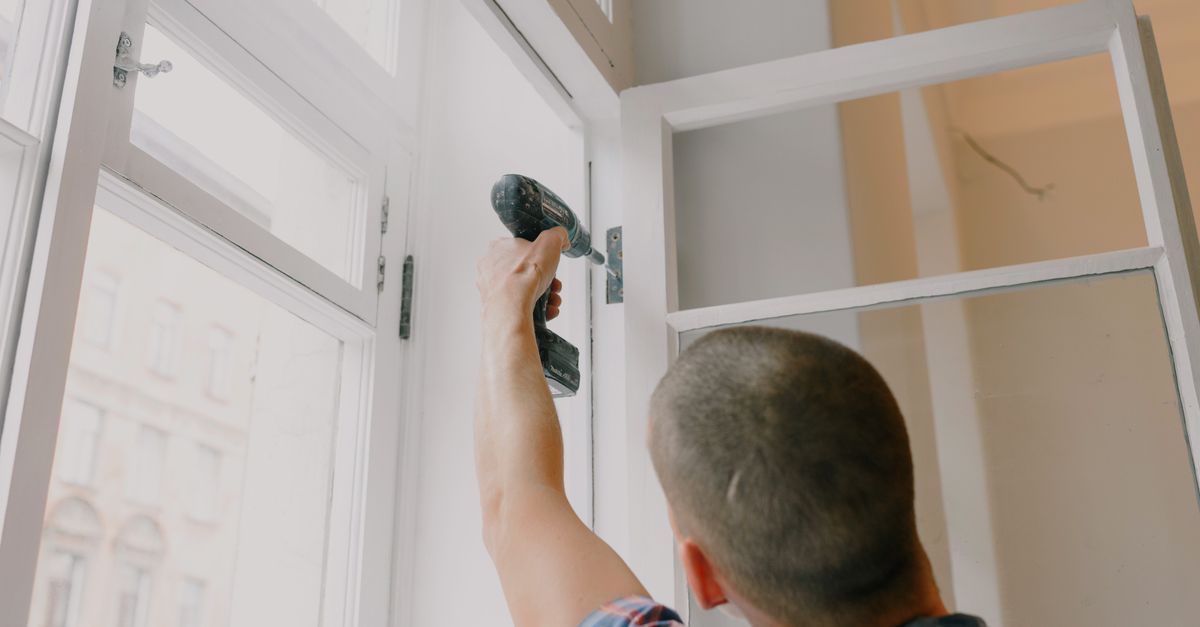
A deadbolt is only as strong as the door prep work behind it. Boring a clean 2-1/8-inch hole through a steel-clad or solid-wood exterior door, chiseling a precise mortise pocket for the latch faceplate, and aligning the strike box with a reinforced steel strike plate in the door frame — these are steps where even a small error in measurement creates a lock that binds, refuses to throw fully, or leaves a visible gap that compromises security. Our trained technicians carry commercial-grade hole saws, door jigs, and chiseling tools calibrated for both standard and non-standard door thicknesses, so the finished installation looks factory-clean and operates without resistance.
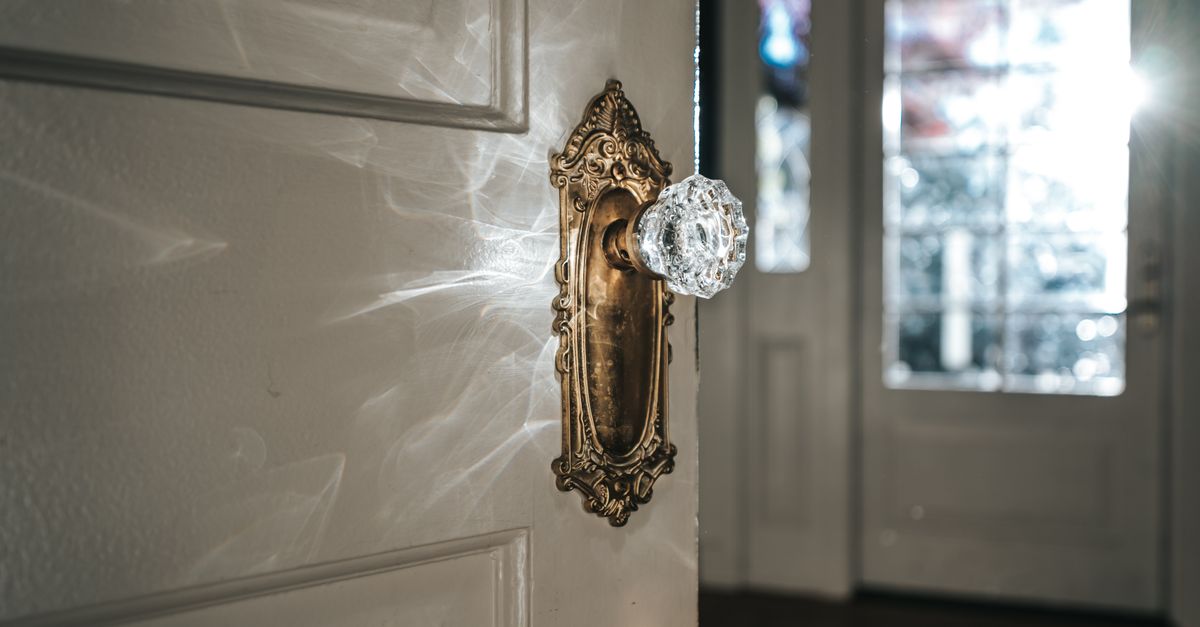
There is also the matter of lock terminology that trips up many homeowners shopping for hardware on their own. A single-cylinder deadbolt uses a key outside and a thumb-turn inside — the most common residential choice. A double-cylinder deadbolt uses a key on both sides, often specified for doors with nearby glass panels. A jimmy proof deadbolt installation (sometimes called a rim deadbolt) mounts on the interior surface of the door and interlocks with a surface-mounted strike, making it nearly impossible to pry open — a popular choice for apartment doors in older Evanston multi-flats where mortise prep would be invasive. And a mortise lock is a completely different animal: it fits into a deep rectangular pocket cut into the door edge and combines a latch, deadbolt, and sometimes a lever handle into a single unified unit, offering commercial-grade security in a slim profile. Knowing which lock suits your door type, frame material, and security goal is exactly what our team helps you figure out before a single hole is drilled.