How Key Fob Reprogramming Works — And Why It Is More Complex Than It Looks
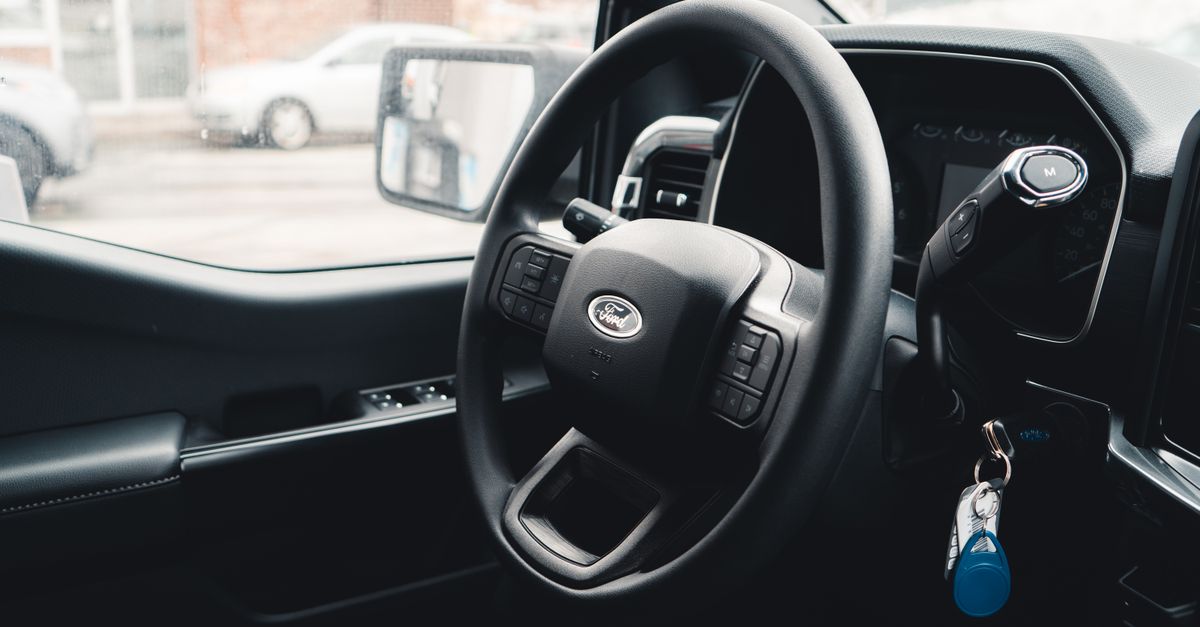
A modern key fob or transponder key contains a small microchip that communicates with your vehicle's immobilizer system via a unique rolling code. When that pairing is lost — because of a dead battery, accidental reset, a replacement fob that was never synced, or an ECU update — the car simply will not start or respond to remote commands. Re-establishing that pairing requires specialized OBD-II diagnostic tools, access to vehicle-specific software protocols, and a working knowledge of how different manufacturers structure their immobilizer systems. This is not a process that can be safely or reliably done with a generic consumer kit from a hardware store. Our technicians have hands-on experience programming keys for a broad range of makes including Toyota, Honda, Ford, GM vehicles, Hyundai, Kia, Subaru, BMW, Mercedes-Benz, and many others.
There is important terminology that every vehicle owner should understand before calling for service. A standard remote fob controls lock, unlock, and panic functions but does not start the vehicle — it has no transponder chip. A transponder key (sometimes called a chip key) contains an embedded RFID chip that must be recognized by the immobilizer before the engine will turn over. A proximity or smart key communicates passively with the vehicle at close range and enables push-button ignition. Finally, a combo key combines a physical blade with an embedded chip. Each type requires a different programming approach and different equipment, which is why pricing factors vary considerably by vehicle — more on that below.