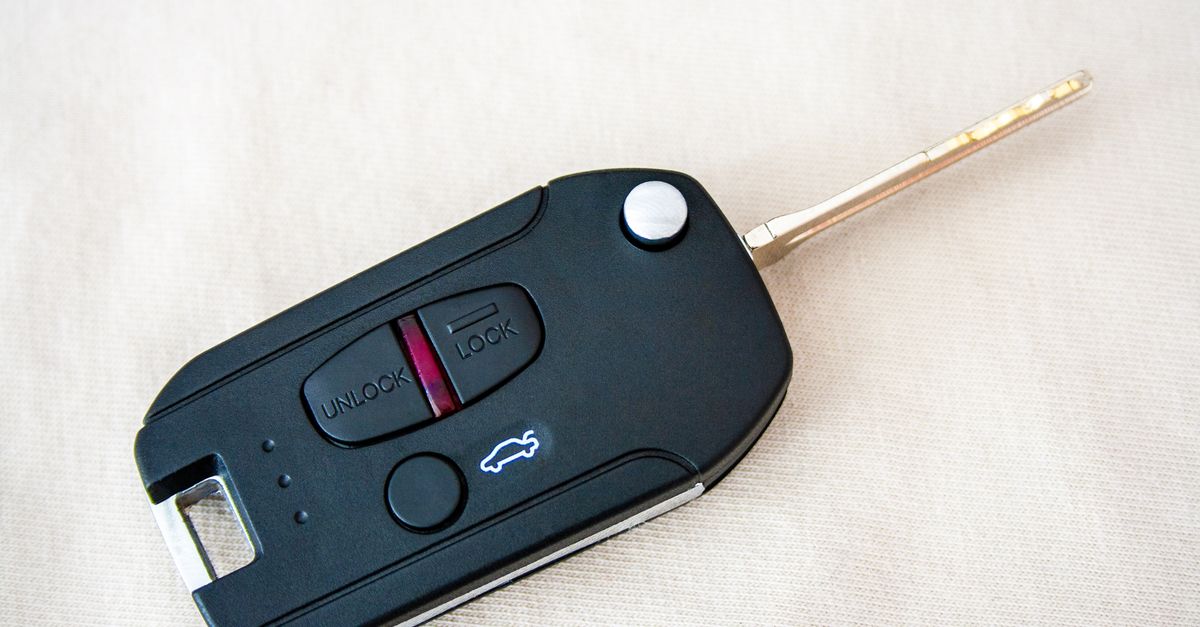
Honda Car Key Replacement: Understanding What You Actually Have
Honda has used several key technologies across its lineup over the past two decades, and the type of key you need determines exactly how the replacement process works. Basic mechanical keys were phased out on most models by the early 2000s. Today, the vast majority of Hondas on Evanston streets — Civics, Accords, Pilots, Odysseys, Ridgelines, CR-Vs — use one of three systems: a transponder key, a remote head key combining a transponder with integrated fob buttons, or a proximity smart key with push-button start. Each has its own programming protocol, and using the wrong blank or skipping the programming step leaves you with a key that cuts correctly but won't start the engine.
Transponder keys contain a small microchip in the bow (the plastic head) that communicates with your Honda's immobilizer system. If the chip isn't recognized, the engine is disabled — a theft-deterrent feature Honda calls an immobilizer. Smart keys, used on newer Accord, Pilot, and Odyssey trims, use a rolling code that must be written to the vehicle's ECU by a technician with the right diagnostic interface. Understanding this terminology matters because it helps you ask the right questions and understand why a key cut alone — without programming — is never a complete solution for a post-2000 Honda.