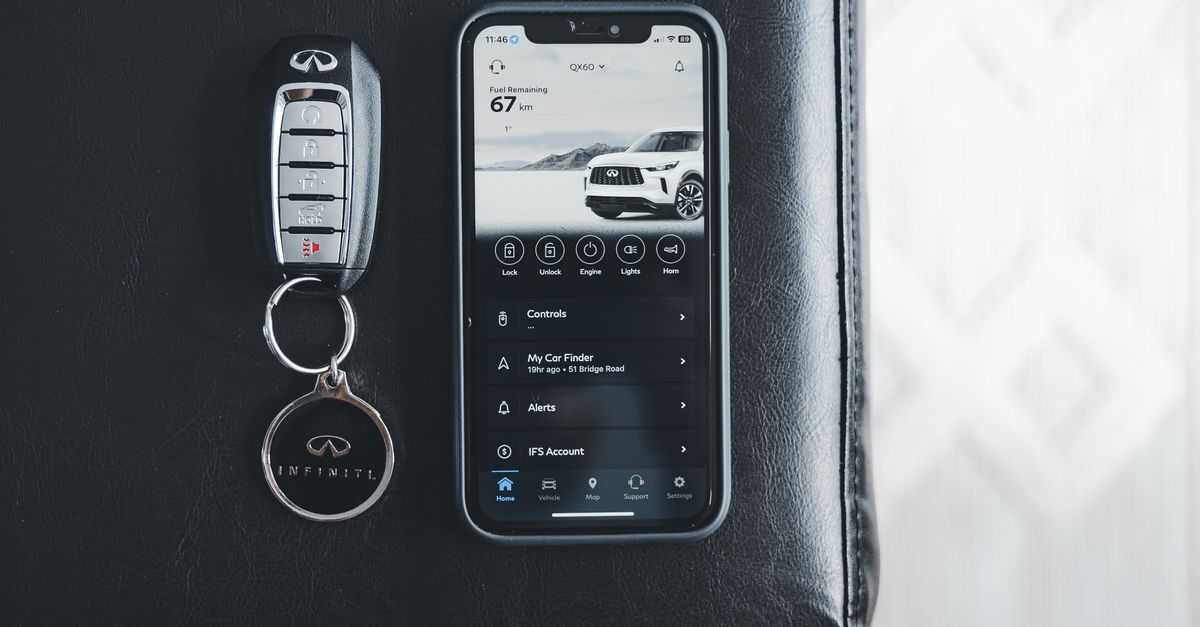
Hyundai Car Key Replacement: Understanding the Technology in Your Hand
Not every Hyundai key is the same, and that distinction matters enormously when it comes to replacement. A basic metal-cut key found on older Hyundai models carries no electronics at all — lose it, and a skilled technician can cut a new one from the door or ignition code. Transponder keys, introduced across most Hyundai lines in the early 2000s, contain a tiny chip inside the plastic head that must be synchronized with the vehicle's immobilizer or the engine will not start even if the blade is cut perfectly. Remote head keys combine a transponder with lock and unlock buttons, while proximity smart keys — common on newer Sonata, Santa Fe, and Tucson trims — communicate with the vehicle passively, enabling keyless entry and push-button start without ever leaving your pocket.
Then there are Hyundai Blue Link-enabled smart key systems, which add an additional layer of communication between the fob and the vehicle's telematics module. Each technology tier requires a different programming approach and different equipment. Our mobile technicians arrive with multi-platform automotive key programming tools that cover all of these Hyundai systems, so a replacement key is not just cut to match the lock — it is properly coded to the specific vehicle identification number on your car. That is the difference between a key that works and one that leaves you stranded again an hour later.