Evanston Locksmith Inc Service Team
Local locksmith team
Jun 16, 2026 15 min read
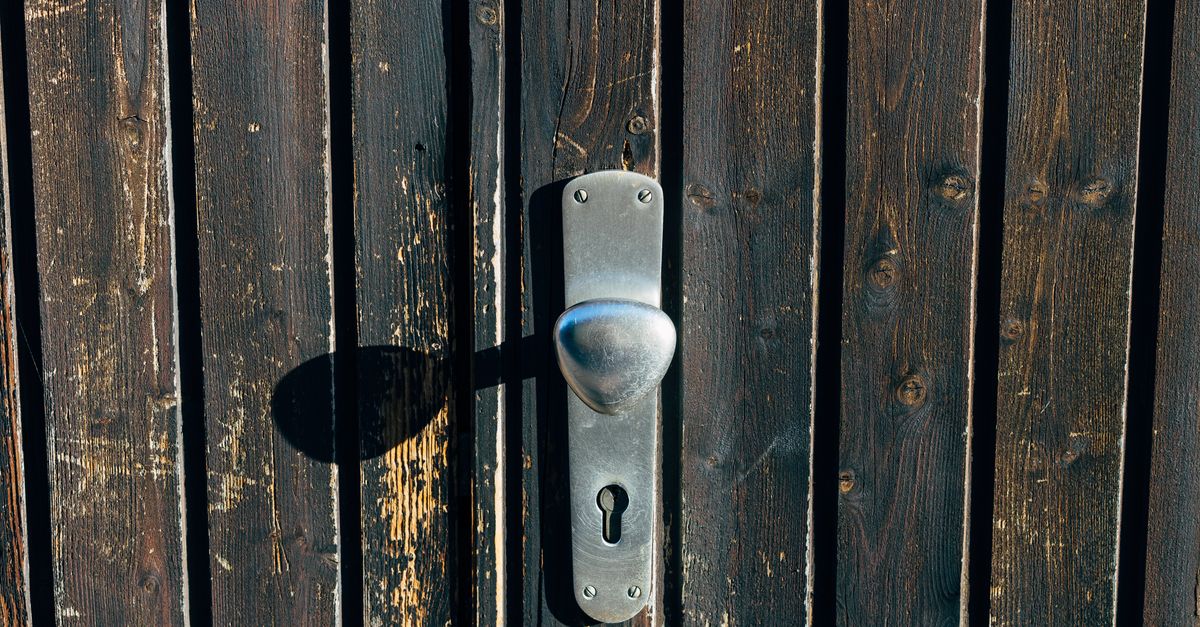
A sticking or frozen door knob lock is one of those problems that always seems to happen at the worst possible moment — rushing out the door on a cold Evanston morning, coming home late after a long shift, or hauling groceries up the steps off Chicago Avenue only to find the knob won't budge. Before you assume the worst, know this: most stubborn knob locks have a straightforward cause, and a handful of simple checks can get you back inside without calling anyone. This guide walks you through those fixes in plain language, explains what the symptoms actually mean, and helps you recognize the point where a trained locksmith — not a YouTube tutorial — is the right call.
Evanston Locksmith Inc has responded to hundreds of sticky-lock calls across Evanston's neighborhoods, from the Victorian two-flats near Dempster Street to the newer condos along the lakefront. We know the difference between a lock that just needs a shot of graphite and one that has a broken mortise lock mechanism inside the door. Work through these steps first — and if the problem turns out to be bigger than a DIY fix, we are available around the clock at 847-443-3956.
## What Your Door Knob Lock Is Actually Telling You
A door knob with lock and key is a relatively simple piece of hardware, but the symptoms it shows can point to very different problems. A key that turns stiffly usually signals a dry or dirty cylinder — the internal pins and springs need lubrication or cleaning. A key that won't turn at all, even when fully inserted, often means the plug is slightly misaligned, the wrong key is being used, or a worn pin has seized. A knob that spins freely without retracting the latch is a mechanical failure inside the body of the lock itself, not a cylinder issue. And a door that resists opening even after the latch retracts correctly is almost always a door-frame alignment problem — the latch bolt is catching on the strike plate — rather than a lock problem at all. Diagnosing which symptom you actually have saves you from applying the wrong fix.
One more scenario worth naming: if your door knob with lock was fine yesterday and completely frozen today, check the weather first. Evanston winters regularly push temperatures below freezing, and a lock cylinder that has trapped moisture can ice up overnight. This is especially common on exterior doors that face north or catch wind off Lake Michigan. In that case, a lock de-icer spray (available at any hardware store on Main Street or nearby) applied directly into the keyway is your first move — not force.
## Five DIY Fixes to Try on a Sticking Door Knob Lock
Fix 1 — Lubricate the cylinder. Dry internal components are the single most common reason a door knob lock becomes stiff. Use a graphite-based lubricant or a Teflon dry-lube spray; avoid WD-40 on lock cylinders, as it is a solvent that strips existing lubrication and attracts grime over time. Insert the straw nozzle into the keyway, give it a short burst, then insert your key and work it in and out several times to distribute the product across the pins. This alone resolves the majority of stiff-key complaints. Fix 2 — Clean the keyway. If you can see visible debris or the key feels gritty going in, use a can of compressed air to blow out the cylinder before lubricating. Dirt, pocket lint, and even small insect debris can accumulate in the keyway and jam the pins. Fix 3 — Inspect your key. Hold the key up to light and compare it to a spare if you have one. A worn key — especially one that has been on a heavy key ring for years — loses the fine peaks and valleys the lock relies on to lift pins to the shear line. A worn key may feel like a lock problem but is actually a key problem. Fix 4 — Check the door alignment. Close the door slowly and watch whether the latch bolt enters the strike plate cleanly. If it scrapes the top or bottom edge of the strike hole, the door has settled or the hinges have loosened. Tighten the hinge screws first; if the screws spin freely, replace them with longer screws that reach the door frame stud. Fix 5 — Adjust or lubricate the latch bolt. Pull the door open and manually push the latch bolt in and out. It should move smoothly and spring back with authority. If it drags or moves sluggishly, a small amount of dry lubricant on the latch face and in the channel will often restore it.
A word on what not to do: forcing a stiff key by yanking or twisting hard is one of the fastest ways to snap the key inside the cylinder, turning a minor fix into an extraction job. Similarly, spraying excessive liquid lubricant into the keyway can eventually work its way into the door mechanism and cause corrosion. Gentle, correct products applied in the right quantity get the job done without creating a second problem.
## When the Problem Is a Mortise Lock, Not a Knob Lock
Many older Evanston homes — particularly the brick six-flats and greystone buildings common in the Fifth Ward and near the Northwestern University campus — were built with mortise lock systems rather than the cylindrical knob locks found in most newer construction. A mortise lock is a rectangular assembly that sits inside a pocket (mortise) cut into the door's edge. It houses both the latch bolt and the deadbolt in a single case, and it typically operates through a combination of a cylinder on the outside and a thumbturn or lever on the inside. These are robust, long-lasting locks, but when they fail, the repair is significantly more involved than replacing a standard knob. If you pull your door open and see a large rectangular faceplate on the door edge — rather than a small round one — you have a mortise lock, and most of the simple knob-lock fixes above will not fully apply.
A failing mortise lock mechanism may present as a knob or lever that spins without engaging the latch, a deadbolt that throws only partway, or a cylinder that turns but nothing happens. These are internal gear and cam failures that require the lock case to be removed from the door and either rebuilt or replaced. This is skilled work — the mortise pocket must be precisely sized for the replacement case, and the cylinder, escutcheon plates, and trim must all be matched correctly. If you suspect your mortise lock is the culprit, this is the moment to call a professional rather than attempt a repair that could leave the door inoperable. Our team at Evanston Locksmith Inc carries common mortise lock cases and cylinders on our service vehicles — call 847-443-3956 and we can often complete the repair in a single visit.
## Understanding Knob Lock Terminology (So You Can Describe the Problem Accurately)
When you call a locksmith or visit a hardware store, using the right terms gets you faster, more accurate help. The cylinder (also called the plug) is the round insert you put your key into — it is a separate component from the knob body and can usually be re-keyed or replaced independently. The latch bolt is the spring-loaded angled piece that holds the door closed when you let go of the knob. The strike plate is the metal plate mortised into the door frame that receives the latch bolt; when this plate shifts, the latch catches on its edge and the door feels stuck even when the lock is functioning correctly. The rose is the round base plate that covers the hole in the door; if it spins, the mounting screws behind it have loosened. The tailpiece or cam is the small metal tab at the rear of the cylinder that rotates when you turn the key and activates the latch or deadbolt mechanism — on a knob lock, this is often what breaks when the knob spins freely.
Understanding locksmith specializations is also useful context. Residential locksmiths handle the cylindrical knob locks, deadbolts, and mortise lock systems found in homes and apartments. Commercial locksmiths work with heavier-duty hardware — Grade 1 cylindrical locks, mortise lock assemblies in steel doors, access control systems, and master-key networks used in office buildings and retail spaces. Emergency locksmiths are trained to respond to lockout situations at any hour without damaging the door or lock. Safe technicians specialize in combination, electronic, and fire-rated safe locks. A good mobile locksmith like our team covers all of these disciplines, but when you call, describing your specific situation — lock type, door type, whether it is residential or commercial — helps us arrive with the right tools and parts.
## Locksmith Regulation in the U.S. and U.K. — What Evanston Homeowners Should Know
Locksmith regulation varies significantly depending on where you live, and understanding this helps you make a more informed decision when hiring one. In the United States, there is no single federal licensing standard for locksmiths. Regulation is handled at the state level, and Illinois does not currently require a state-issued locksmith license — meaning anyone can legally call themselves a locksmith in Evanston. This makes vetting important: look for locksmiths who are insured, have a verifiable local address and phone number, and can provide an exact written price before starting any work. Asking how long a company has operated in the area and whether their technicians have received formal training are reasonable and smart questions. In the United Kingdom, the situation is similar — there is no mandatory government licensing for locksmiths in England and Wales, though industry bodies such as the Master Locksmiths Association set voluntary training and conduct standards that serve as a useful benchmark. Scotland has explored stricter regulations in the past. The broader takeaway, whether you are in Evanston, IL or Edinburgh, Scotland, is that the burden is on the consumer to verify credentials, and the most reliable signal is transparent pricing, verifiable local presence, and trained technicians who can explain what they are doing and why.
For Evanston residents specifically, our team at Evanston Locksmith Inc is insured, operates exclusively in this area, and confirms an exact price up front before any work begins. The final quote factors in the type of lock or vehicle involved, the time of day, travel distance, and any parts required — there are no surprise charges after the fact. We do not ask you to commit to a price sight unseen, and we do not start work until you have approved the quote.
## When to Stop Troubleshooting and Call an Emergency Locksmith
Some situations call for professional help from the start, and recognizing them saves time, prevents damage, and keeps you safe. Call an emergency locksmith immediately if: your key has broken off inside the cylinder (attempting to extract it without the right tools almost always pushes it deeper); the lock is damaged from an attempted break-in and the door will not fully close or latch; you are locked out and there is no spare key, no accessible window, and no other entry point; or the lock is on a rental or commercial property where you need documented, ownership-verified service for liability reasons. On that last point — a professional locksmith will ask for proof that you are authorized to access the property before performing any work. This is standard practice and protects both the homeowner and the technician. If a locksmith offers to open a door without asking any ownership questions, treat that as a red flag.
Evanston Locksmith Inc dispatches mobile technicians 24 hours a day, seven days a week, including holidays. Whether the call comes in at 2 a.m. after a Northwestern basketball game or on a Sunday afternoon when you have accidentally locked your keys inside, we will give you an honest assessment of the situation, an exact price, and a realistic arrival window. Call 847-443-3956 any time — we answer every call directly, not through an answering service.
## Our Services — What a Mobile Locksmith Evanston Team Actually Handles
A genuinely equipped mobile locksmith covers far more ground than most homeowners expect. Evanston Locksmith Inc provides: residential lockout response, commercial lockout response, mortise lock repair and replacement, cylindrical knob lock repair and replacement, deadbolt installation and upgrade, re-keying existing locks, master key system design and installation, high-security lock installation (including Schlage and Kwikset commercial-grade hardware), key duplication, broken key extraction from cylinders, lock cylinder replacement, strike plate repair and reinforcement, door frame repair after forced entry, sliding glass door lock service, garage side door lock service, padlock opening and replacement, mailbox lock service, storage unit lock service, cabinet lock installation, electronic keypad lock installation, smart lock installation and programming, car lockout response, car key cutting and programming, transponder key service, key fob repair and battery replacement, ignition lock service, and safe opening and combination reset. If you are not sure whether your situation falls within our scope, call 847-443-3956 and we will tell you honestly whether we can help or whether you need a different specialist.
## A Note on Lock Picking — What It Is and What It Is Not
Searches for how to pick a door knob lock or how to pick a lock door knob are extremely common online, and it is worth addressing directly. Lock picking is a legitimate skill that trained locksmiths learn as part of their technical education — it allows a professional to open a lock without a key and without damaging the hardware, which is valuable in genuine lockout scenarios where the homeowner is verified and present. It requires specialized tools, significant practice, and an understanding of how pin tumbler cylinders work at a mechanical level. It is not a quick trick anyone can learn from a short video, and attempting it without proper tools typically scratches or damages the cylinder, making the eventual repair more expensive. More importantly, using picking techniques on a lock you do not own or are not authorized to open is illegal regardless of your location. The safe, correct approach to any lockout is to check for a spare key with a trusted neighbor, verify whether another entrance is unlocked, and then call a verified local locksmith who will confirm your authorization before proceeding. We are not going to walk you through picking steps here — but we are happy to handle the situation properly when you call us.
Frequently asked questions
What is an emergency locksmith and when should I call one?+
An emergency locksmith is a trained technician available outside of standard business hours — nights, weekends, and holidays — to handle urgent lock and key situations that cannot wait. Common reasons to call include being locked out of your home or car with no spare key available, a broken key stuck in the cylinder, a lock that has been damaged after an attempted break-in, or a door that will not secure properly. Evanston Locksmith Inc operates 24/7 and responds to emergency calls across the Evanston area. Call 847-443-3956 any time and a live team member will answer.
What locks can locksmiths not open?+
A skilled locksmith can open the vast majority of residential and commercial locks given the right tools and enough time, including standard knob locks, deadbolts, mortise lock assemblies, padlocks, and many electronic locks. That said, certain high-security locks with anti-pick pins, hardened steel inserts, and active anti-drill mechanisms — such as some commercial-grade or government-specification locks — may require destructive entry, meaning the lock must be drilled and replaced rather than picked. High-security safes with thick plate steel, glass relockers, and manipulation-resistant combination mechanisms also fall into a specialized category where safe technicians use listening and manipulation techniques rather than drilling. A qualified locksmith will always tell you honestly which approach is needed before starting work.
Should I tip my locksmith?+
Tipping a locksmith is entirely optional and not an industry expectation the way it might be in some service industries. If a technician arrived quickly, explained everything clearly, completed the work cleanly, and left your lock in better shape than they found it, a tip is a genuine and appreciated gesture — but it is never required or assumed. What matters most is that you received a fair, upfront price, quality workmanship, and honest advice about whether your lock needs repair or replacement. Our team at Evanston Locksmith Inc prices jobs transparently before starting, so there are no built-in service gaps that a tip is expected to fill.
Can a professional locksmith open a safe?+
Yes, in many cases. Safe opening is a specialized skill that requires knowledge of the particular safe model, its locking mechanism type (combination dial, electronic keypad, relocker, or bolt-work configuration), and the appropriate technique — which may be non-destructive manipulation or, for severely damaged or high-security safes, controlled drilling at specific points to avoid triggering internal relockers. Not every general locksmith has deep safe experience, so it is worth asking when you call. Evanston Locksmith Inc handles safe opening and combination resets for common residential and small commercial safes. The factors that affect the price of a safe opening include the safe brand and model, the type of locking mechanism, whether the dial or keypad is damaged, and whether non-destructive entry is possible. We confirm an exact price before any work begins.
Can a locksmith reprogram my key fob?+
It depends on the vehicle and the type of fob. Many modern key fobs can be reprogrammed or re-paired to a vehicle by a qualified automotive locksmith using professional-grade programming equipment — this is often faster and more convenient than going to a dealership. However, some manufacturers have restricted programming access to dealer-only tools or require specific software subscriptions, which limits what independent locksmiths can do with certain makes and model years. When you call 847-443-3956, give us your vehicle's year, make, and model and we will tell you directly whether our equipment supports your fob and what the process involves. Pricing factors include the vehicle type, the fob style, and whether a new key needs to be cut as well as programmed.